Editorial essay
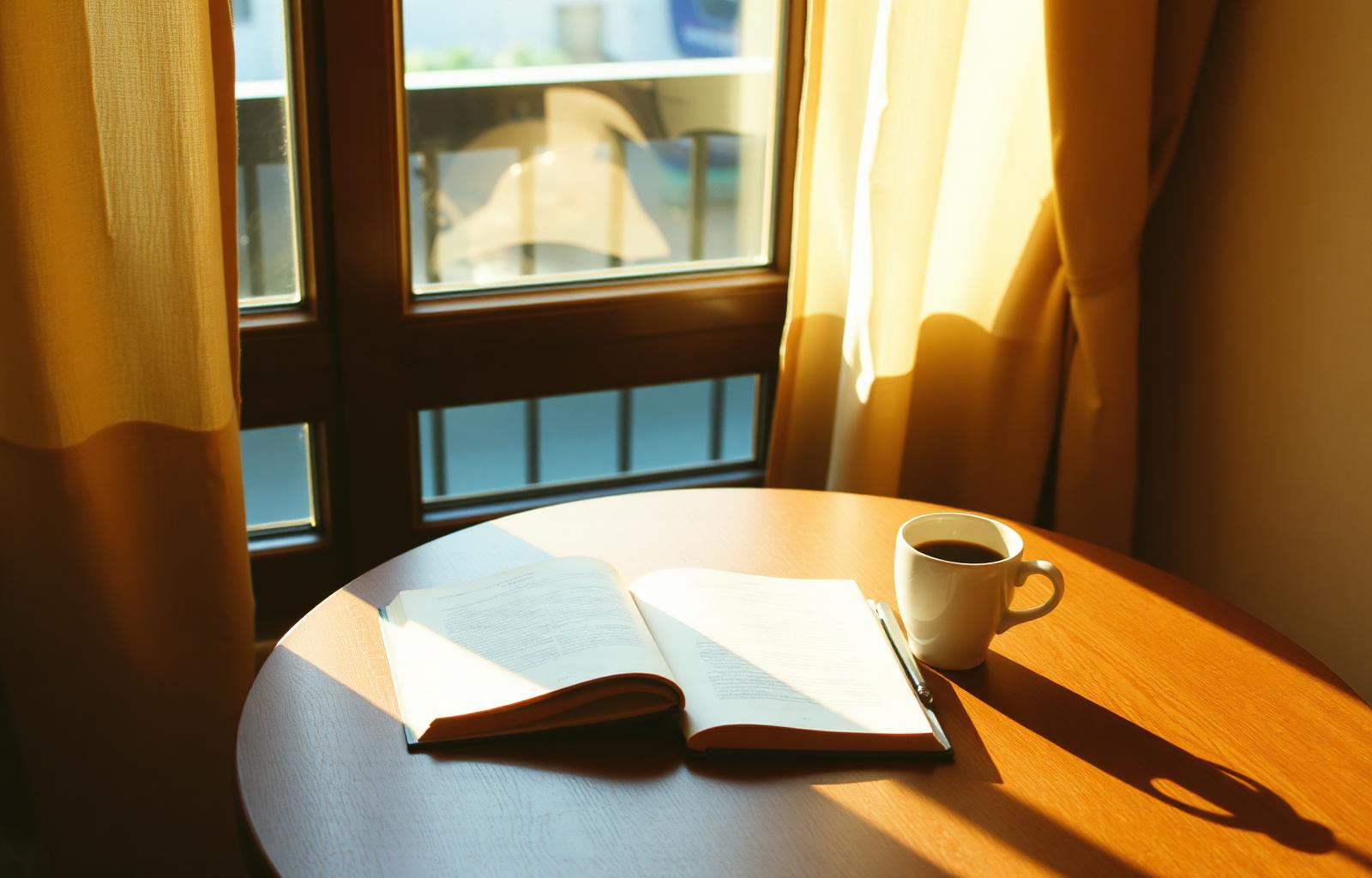
Photograph kept from a café in the fourth arrondissement — the afternoon this issue began.
The Long Afternoon.
On the August hour when time loosens its grip — and what continues to become visible once nothing has to happen.
There is a particular hour in August when time seems to loosen its grip.
The cafés are quieter than usual. Office replies become slower. Beaches begin to empty, not because the day has ended, but because everyone has already surrendered to it. Even the light changes its mind. It stops performing and simply lingers.
Perhaps this is why August has always felt strangely generous. Not because it offers more time, but because it briefly removes the pressure to account for it.
For most of the year, we measure our days by what they produce. Meetings attended. Emails answered. Places visited. August interrupts that rhythm. It quietly asks a different question.
What happens when nothing particularly important needs to happen?
Some disappear almost immediately. Others remain with us for decades. Rarely because something extraordinary occurred. More often because, for reasons we never fully understand, we were finally .
Written after the tide had already gone out.
Why August feels psychologically different.
A paragraph on the widespread quieting — offices, streets, the internal weather — and on how the mind, granted no clear task, begins to notice again what it had grown too fast to see.
We consider the way children experience August as a room without walls; the way adults, briefly, are allowed to re-enter that room without embarrassment.
“Some afternoons remain because we were finally paying attention.”
The disappearance of boredom.
On boredom as the door many of us have quietly bricked over. What happens when there is nothing to check, nothing to answer, . On the small, almost embarrassing pleasures that return when the checking stops.
Editor’s note — This section is currently three notebook fragments long. It wants to be one paragraph.
Cinema and long afternoons.
Films that were built for this hour. Perfect Days. Kore-eda’s Still Walking. L’Avventura. Kelly Reichardt’s Old Joy. Hong Sang-soo’s Claire’s Camera. None of them hurry. All of them . Two of them appear later in this issue.
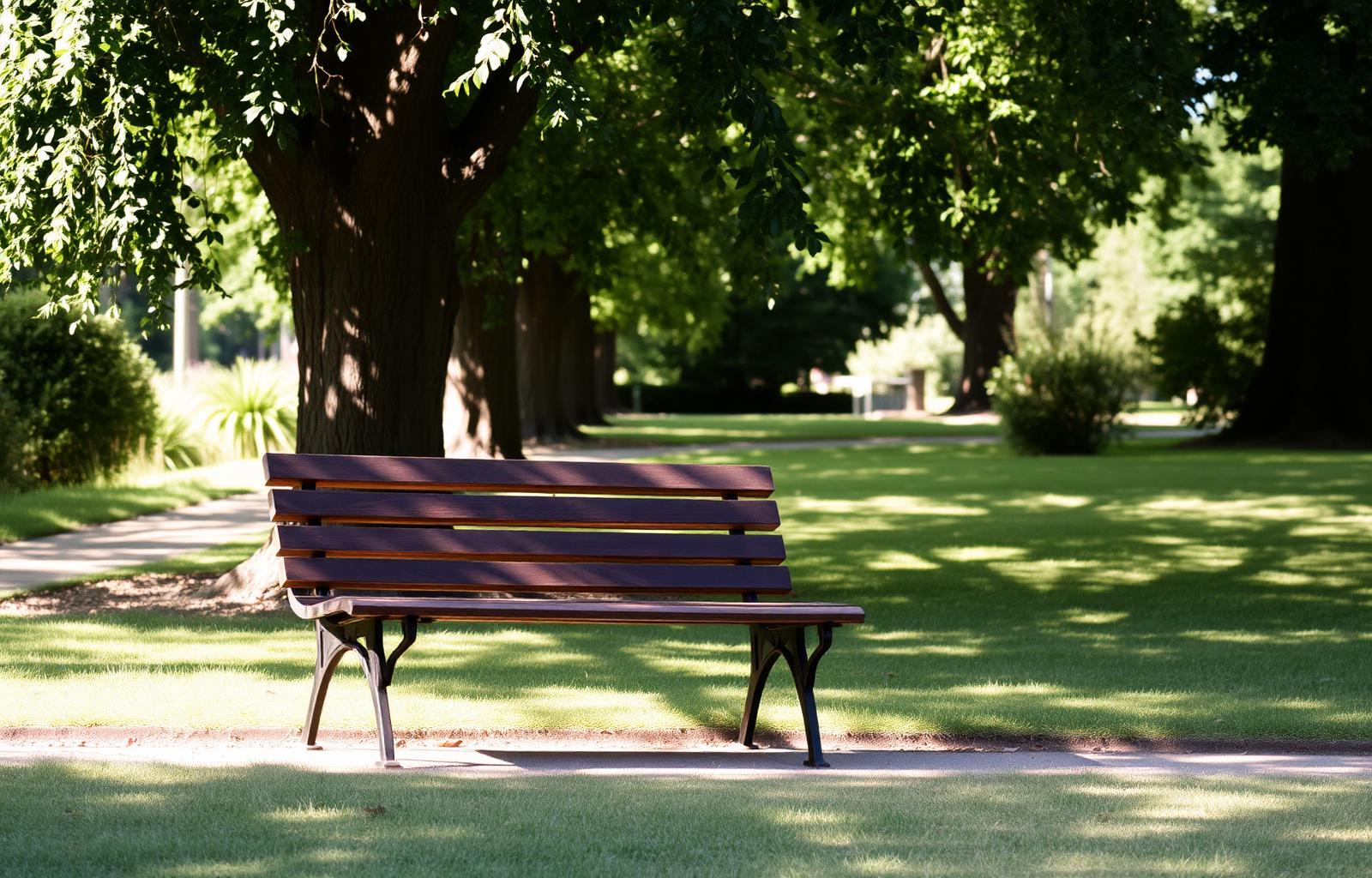
Objects remembered because of time.
On the way an in a room not by being chosen, but by being kept. A . A . A so many times the paper has softened. Objects change less than our attention does.
“Objects change less than our attention does.”
Walking as editorial practice.
A short passage on not as exercise, and not as tourism, but as the slowest reliable method of thinking. On the way the essay that is not working at the desk sometimes finishes itself two streets from home.
An open ending.
We’ve started to think that most of what deserves keeping is not delivered in the extraordinary hours. It arrives in the unaccounted ones — the afternoon nothing particularly important happened, the walk that turned for no reason, the conversation that was allowed to go nowhere. If August has a lesson, it may only be that these hours are already available, and largely unused.
What would we begin to notice, if we agreed to stop measuring the day by what it produced?
Elsewhere in this issue
The Long Afternoon